Marvel's Midnight Suns review: Firaxis smuggles a great card game into the MCU
A superb card-driven tactics engine chained to a social sim that keeps checking its watch.

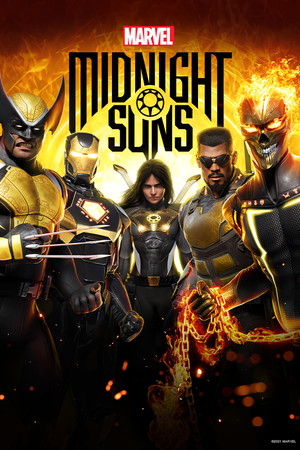
The Scorecard
Every turn hands me three cards and a single free move, and the whole game lives inside that stingy allowance. I get a handful of attacks, skills, and heroics, a fixed number of card plays, one move that costs nothing, one item, and a redraw or two if I earn them. That is the core decision. Not which superhero is coolest, but which of these cards I spend now and which I hold, whether I shove an enemy off a ledge with my free move instead of burning a card on damage, whether I chain a knockback into a group so one play does the work of three. Firaxis took the X-COM instinct for reading a board and rebuilt it around a hand instead of a grid, and the trade is worth it. The interesting choice is rarely the biggest number. It is the play that keeps my hand alive for next turn.
The economy is where this game earns its keep. Card plays are the hard currency, and everything bends toward stretching them. Quick kills refund a play, so a well-ordered turn can cascade, one clean knockout paying for the next, until a full room folds in a single sequence. Heroism is a second resource I bank by dealing damage, then spend on the splashy environmental plays, the car I throw or the pillar I drop on three enemies at once. Redraws let me churn a dead hand into a live one, but they are finite, so every redraw is an admission that I misread the draw. Deckbuilding sits underneath all of it. I run eight cards per hero, I upgrade and combine them at the forge, and I tune each deck toward a plan, whether that is raw tempo, chip damage that snowballs, or setup that lets a heavy hitter land free. The opportunity cost is constant and legible. Play the card now for value, or hold it and hope the board improves. That tension is the good part, and it almost never lets up in a fight.
The opposition is the softer half of the ledger, and I will be honest about it. The information is clean. I can see damage numbers, threat ranges, and knockback arcs before I commit, so losses feel like my miscalculation rather than a hidden dice roll, and that clarity is a real strength in a genre that often hides its math. What the encounters lack is a scheming opponent. Enemies telegraph, they clump in ways I can exploit, and the AI rarely punishes a greedy line the way a sharp X-COM pod would. Encounter design leans on objectives and reinforcements to manufacture pressure instead of trusting the enemies to apply it. On the higher difficulties the counterplay tightens and the math finally bites, but the baseline threat is modest. The system is smarter than the things it asks me to fight.
Then there is the Abbey, and this is where the game and I stop agreeing. Between missions I walk a slow gothic manor, water plants, open chests on a daily cooldown, and grind friendship by picking dialogue that a hero happens to like. Some of it feeds the combat through ability unlocks and passive bonuses, so it is not pure decoration. But the pacing is the problem the critics named and I will name it too. The day loop forces waiting, the exploration is a stroll with a checklist, and the ratio of exquisite card combat to slow social busywork is upside down. The tonal whiplash does not help, cutting from a tense tactical set piece to a book club chat. When the cards are on the table this is one of the best tactics games of its year. When I am jogging back to bed to advance the calendar, it is padding wearing a cape.
So the calculus. The critical consensus lands around the low eighties on PC, and that is the right neighborhood, because the split is exactly this. The card combat is a genuine, replayable decision space with a card economy that rewards planning and tempo, and it is dragged down by a social wrapper that spends the player's time carelessly and by AI that does not test the depth on offer until you crank the difficulty. I score it an 8.3. The strength is real and the weakness is real, and the same ruler measures both. Who is this for. It is for the player who wants a meaty, hand-managed tactics game and can treat the Abbey as intermission rather than the show. If you came only for a Marvel life sim, the best part of this game will feel like homework between chores. If you came to solve a board, you will forgive the manor almost everything.